

Introduction
The United Arab Emirates (UAE) has been moving pretty quickly into one of the most advanced digital economies in the entire world. There’s strong government backing for innovation, smart city programs, plus wide AI adoption, so businesses across the country are, day by day, upgrading their internal setups just to remain competitive. And honestly, one of the most influential triggers behind all this change is SaaS solutions, software that’s delivered as a service, rather than something you buy and run locally.
By 2026, SaaS (Software as a Service) in the UAE is not be merely a “new tech” headline anymore, it will be a core rhythm inside daily business operations. Firms in Dubai and Abu Dhabi, plus other emirates as well, are relying on cloud-based systems to boost efficiency and to cut down operational expenses, while also scaling faster in an environment that’s getting more and more crowded.
What Are SaaS Solutions?
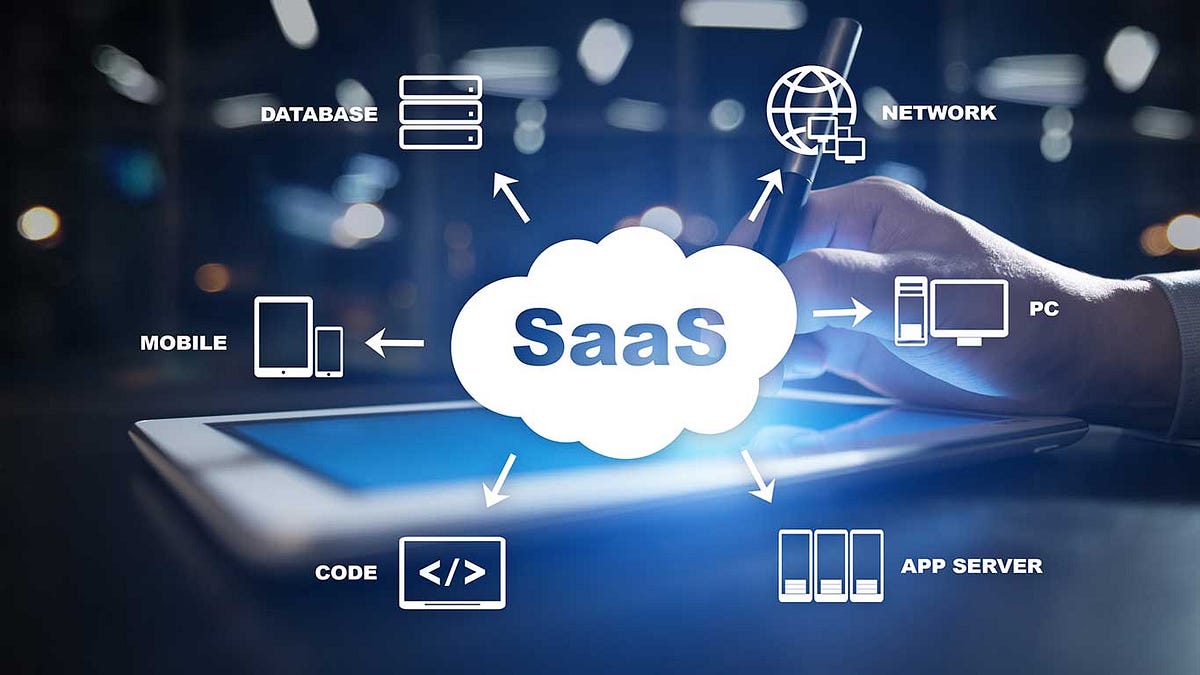
SaaS solutions are basically software services in the cloud, so users can reach them through the internet, without installing anything on their own local machines. Rather than pay for pricey software licenses or deal with complicated IT setups, companies just sign up for a subscription, and then they use everything online, which is pretty straightforward.
These offerings tend to cover a lot of business needs too, like customer relationship management, accounting, task coordination, HR, marketing automation, and even data analytics. And since the whole thing runs in the cloud, businesses can open and work with their tools anytime, from anywhere, no special access required.
That kind of flexibility is one of the main reasons SaaS adoption is growing so fast in the UAE, right now.
Digital Transformation Driving SaaS Growth in the UAE
The UAE government has kinda leaned in hard on digital transformation, via smart government services, AI strategies, and cloud-first policies, and it’s been pushing both the public sector and private players to try more modern software ideas. You know, instead of sticking with old methods, they’re moving toward newer tools that actually fit today’s pace.
In Dubai, especially, businesses in real estate, tourism, logistics, fintech, and ecommerce are increasingly turning to SaaS platforms. They use these platforms for everyday operations, like running workflows without all the manual back and forth. Rather than relying on traditional systems, a lot of companies are shifting toward automated, cloud-based routines and smoother processes.
And honestly, this shift seems to make the business side more nimble, more data-oriented, and better able to compete globally.
Cost Efficiency and Business Flexibility
A major advantage of SaaS for UAE organizations is cost efficiency. Traditional software usually comes with big upfront spending, dedicated servers, and ongoing maintenance fees. With Saa, though, the subscription approach makes it feel far more doable. It’s basically pay as you go, at least comparatively.
That’s a real win for startups and small businesses across Dubai and other emirates. They can get access to enterprise-level capabilities without taking on a heavy financial burden. Then, as the company expands, it’s easier to adjust, upgrade, or change subscription tiers, rather than rebuilding an entire system from scratch. This kind of flexibility helps teams react fast when the market shifts and scale without turning everything into a complicated project.
Supporting Remote and Hybrid Work Culture
The UAE has also seen a noticeable rise in remote and hybrid work, with many companies now running distributed teams across different cities or even different regions. SaaS platforms help glue that together, because they keep tools available online, and make collaboration a lot more straightforward, even when people aren’t in the same place.
With cloud-based tools, employees can collaborate in real time, share files, keep an eye on progress, and talk more smoothly from anywhere. This tends to boost productivity a lot, and it helps keep the workflow steady even when the team is not really inside the office together.
In industries that move fast, like marketing, IT, and consulting, this kind of flexibility is honestly pretty critical.
Strong Security and Data Protection
Security is a big deal for businesses in the UAE, especially if they’re dealing with sensitive customer and financial data. SaaS providers usually put a lot of investment into advanced security systems to safeguard user information.
Most SaaS platforms come with things like encrypted data storage, multi-factor authentication, automatic backups, and live threat monitoring. Those parts work together so company data stays protected against cyber threats, and not just “maybe” protected.
For UAE companies working with international clients, this security level also helps build trust and credibility that’s easier to show.
Scalability for Fast-Growing Businesses
The UAE has plenty of fast-growing startups and multinational companies. As those businesses expand, their day-to-day needs also grow. SaaS solutions generally help them scale without turning everything upside down.
Teams can bring on new users, upgrade features, and connect additional tools without doing major system changes. This scaling ability is especially useful for ecommerce and fintech, where growth can happen quickly, like overnight sometimes.
Better Decision Making with Data Insights
Modern SaaS platforms also include analytics and reporting features. Businesses can monitor performance, study customer patterns, and make decisions based on data instead of assumptions.
That means UAE companies can strengthen marketing strategies, fine-tune operations, and improve profitability. Rather than guessing all the time, businesses can depend on up-to-the-minute data to guide their decisions.
Conclusion
SaaS solutions are quietly reshaping the business space in the UAE, and somehow making day-to-day operations more efficient, scalable, and cheaper over time. In 2026, firms that decide to use SaaS platforms will likely have a real competitive edge, especially with faster delivery, higher output, and more creative innovation.
And as the UAE keeps moving toward a fully digital economy, SaaS will stay as one of the main engines behind growth in just about every sector.